X Spanish Worm Meeting
September 14-15, 2026 • Valencia, Spain
Meeting Overview
The Spanish Worm Meeting (SWM) is a biennial congress that seeks to bring together the research community from Spain and Portugal that uses the nematode Caenorhabditis Elegans and related species as a model organism in biomedicine and biotechnology.
C. elegans is a fundamental tool in basic and applied research, particularly in biomedicine, neuroscience, genetics, biotechnology, and aging studies. This tiny nematode has been instrumental in unraveling universal biological mechanisms, driving advances in understanding cancer, neurodegenerative diseases, aging, and gene therapies, thereby solidifying its indispensable place in modern biomedicine and biotechnology. Moreover, using knowledge of C. elegans as a baseline, related nematode species are now being intensively studied in evolution and development. Evolutionary developmental biology, or, for short, 'evo-devo', has emerged as a new research discipline over the last two decades to investigate how changes in developmental processes and mechanisms result in modifications of morphological structures and phenotypic novelty.
Currently, around 40 research groups in Spain and Portugal, across various centers and universities, use this experimental model. This community has grown significantly over the last two decades. The SWM is established as the leading Iberian forum for discussing scientific advances in C. elegans and related species, standing out for its international character, the active inclusion of early-career researchers, and its commitment to gender equality and scientific excellence.
The first edition of the SWM was held in Valencia, at the Institute of Biomedicine (IBV), in 2007, with the participation of 10 groups and about 20 people. Since then, biennial editions have been held on a rotating basis in different Spanish cities (Barcelona, Logroño, Seville, Salamanca, and Valencia). We warmly invite you to join us in the "X Spanish Worm Meeting". On this occasion, we commemorate 20 years of the C. elegans research community in the Iberian Peninsula, returning to its original location, Valencia, on September 14 and 15, 2026. We expect 150-200 participants from approximately 40 research groups, including international participants.
The event will be conducted entirely in English, as is customary at the SWM, ensuring inclusive international participation.
Session Topics
The "X Spanish Worm Meeting" is structured around five thematic blocks. Each session will include a plenary lecture by a keynote speaker, followed by oral presentations selected from the submitted abstracts. The keynote speakers (all confirmed) lead high-level research groups abroad and maintain active ties and/or collaborations with Spain and Portugal.
Speakers
Plenary Lectures
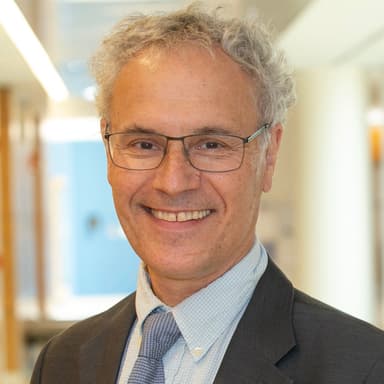
Victor R. Ambros
University of Massachusetts
Professor Victor R. Ambros pioneered the discovery of microRNAs and their role in genetic regulation. Their findings opened a new field in molecular biology, with implications for diseases such as cancer and genetic disorders. These molecules, which play a fundamental role in animal biology, are also being used as therapeutic agents for previously untreatable diseases. Professor Ambros received the Albert Lasker Award (2008) and the Nobel Prize in Medicine in 2024 for his discovery of microRNAs.
Keynote Speakers
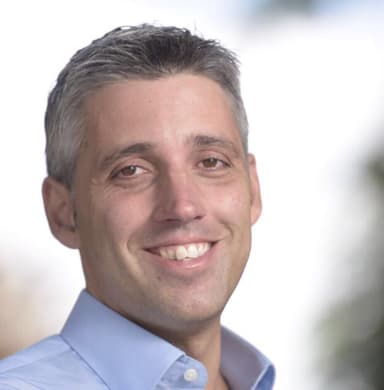
David Vílchez
CECAD, Colonia
Professor David Vílchez is a Spanish molecular biologist specializing in aging, proteostasis, and neurodegenerative diseases. As group leader at CECAD (University of Cologne), he investigates how cells maintain protein stability during aging, focusing on protein aggregation diseases such as Alzheimer's, ALS, and Huntington's. His work has revealed the critical role of chaperones and protein degradation pathways in longevity, identifying potential therapeutic targets.
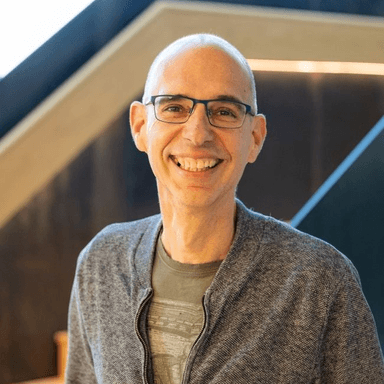
Enrique Martínez-Pérez
Imperial College London
Dr. Martínez-Pérez is a cell biologist at Imperial College London (UK) specializing in meiosis research using C. elegans. He has described in detail the elements involved in the control of DNA repair associated with recombination between homologous chromosomes during meiotic division. These discoveries are strongly linked to the study of the causes of aneuploidies and genetic duplications in humans (such as Down syndrome).
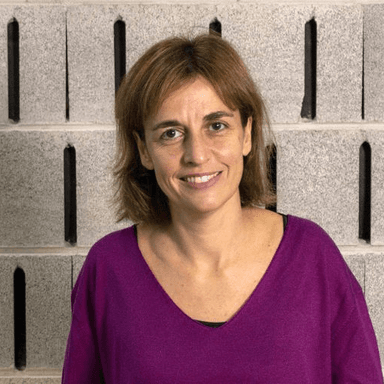
Ana X. de Carvalho
I3S, Oporto
Dr. Ana XavierCarvalho is a cell biologist at i3S, in Porto. She studies mechanisms of actomyosin contractility, in particular during cell division and tissue morphogenesis. Her research focuses on how cytoskeletal proteins such as actin crosslinkers and mechanical forces coordinate cell and tissue behaviors.
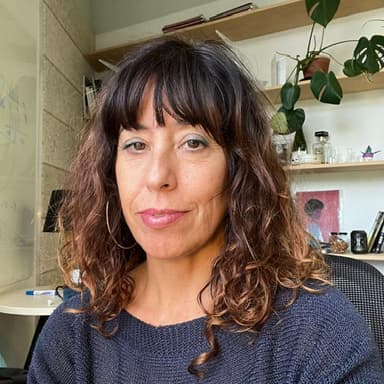
Arantza Barrios
University College London
Dr. Barrios is a neurobiologist at University College London (UCL). Her research investigates how neural circuits achieve this functional flexibility, focusing on three key factors: reinforcing experiences, internal states of arousal, and sexual dimorphism. To do this, her laboratory combines behavioral genetics, neuronal activity recordings with GCaMP, and optogenetics to study how complex behavioral decisions arise from dynamic neural circuits.
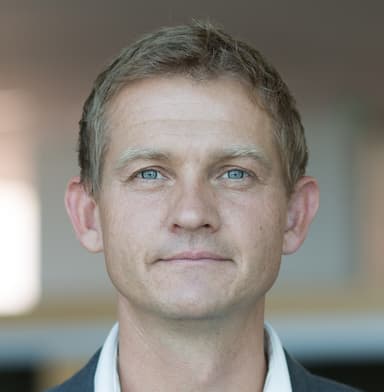
Christian Frøkjær-Jensen
KAUST, Saudi Arabia
Professor Frøkjær-Jensen is a molecular biologist whose research focuses on genome organization and epigenetic gene regulation in C. elegans. The laboratory investigates the mechanisms by which noncoding DNA elements protect genes from epigenetic silencing. A primary objective is the development and implementation of high-throughput genome editing technologies to facilitate genome-scale manipulations.
Programme
Monday, September 14
| 8:15 - 8:50 | Registration |
| 9:00 - 9:15 | Opening presentation.Welcome and overview of IBV and CIPF research institutes. |
| 9:15 - 11:15 | Session 1Chairs: Laura Molina and Jesús Fernández-Abascal View 6 more presentations 09:15 - 09:45Keynote Froekjaer-Jensen, ChristianEvolution of mechanical chromatin insulators from selfish genetic elements |
| 11:15 - 11:45 | Coffee break |
| 11:45 - 13:45 | Session 2Chairs: Carla LLoret and João Picão-Osório View 6 more presentations 11:45 - 12:15Keynote Xavier Carvalho, AnaBuilding specialized actomyosin networks in C. elegans contractile systems |
| 13:45 - 15:30 | Lunch |
| 15:30 - 17:15 | Session 3Chairs: Marta Costa and Adrián Fragoso-Luna View 5 more presentations 15:30 - 16:00Keynote Vilchez, DavidCold temperature activates a BH2-driven intertissue metabolic network that promotes longevity and proteostasis |
| 17:30 - 18:30 | Nobel prize talk (Open to public)17:30 - 18:30Plenary Ambros, VictorMicroRNA-mediated gene regulation and developmental robustness |
| 18:30 - 20:00 | Poster session(Horchata & fartons) |
| 21:00 | Gala Dinner |
Organisers
Organizing Committee
- Nuria Flames (Institute of Biomedicine of Valencia)
- Rafael Vázquez (La Fe Health Research Institute)
- José Pérez-Martín (Institute of Biomedicine of Valencia)
Scientific Advisory Committee
The Scientific Committee is responsible for defining the program and the topics to be addressed in the different sessions. It is also responsible for evaluating and selecting the most relevant proposals for oral presentations, as well as evaluating posters for the awarding of prizes and honorable mentions. The Scientific Advisory Committee is 30% international, has gender parity, and is composed of:
- Nuria Flames (IBV)
- Rafael Vázquez (La Fe Health Research Institute)
- José Pérez (IBV)
- Victor Ambros (University of Massachusetts)
- David Vilchez (CECAD)
- Arantza Barrios (UCL)
- Julián Cerón (IDIBELL)
- Marta Artal-Sanz (CABD-UPO)
- Maria Olmedo (University of Seville)
- Tatiana García-Muse (University of Seville)
Venue
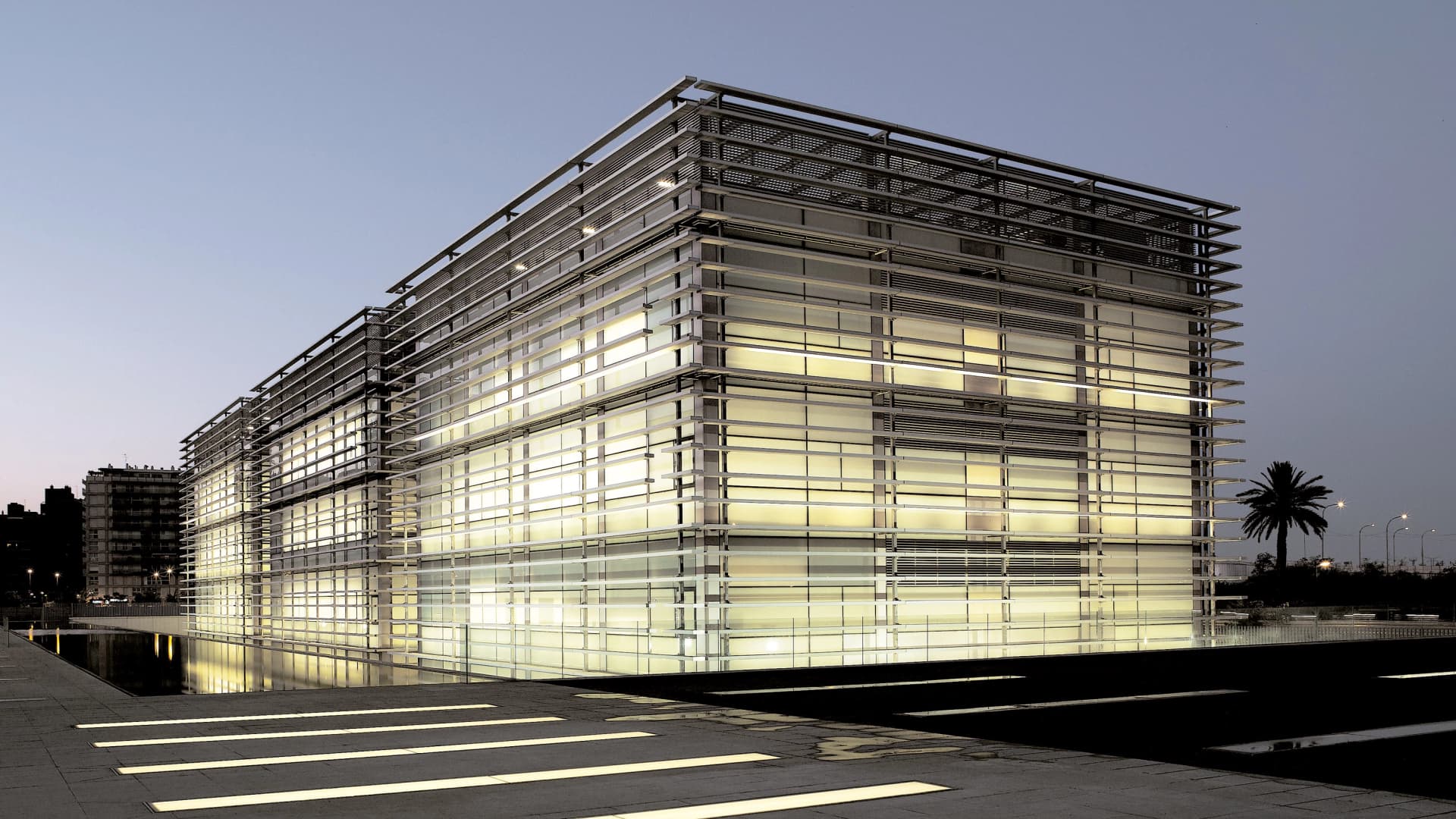
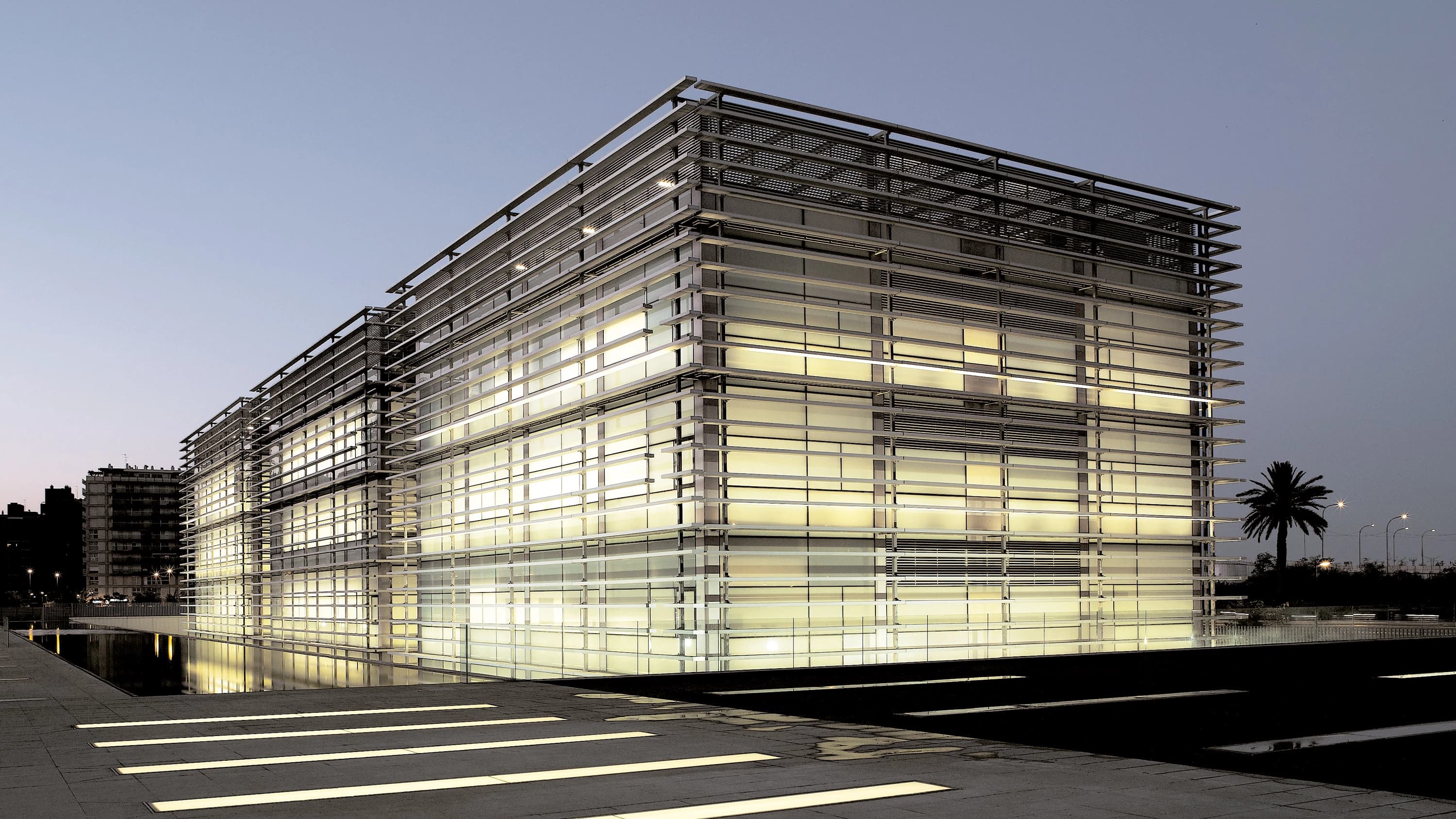
Príncipe Felipe Research Center
Calle de Eduardo Primo Yúfera, 3 46012, Valencia, Spain
Practical Information
Information for participants
Check the programme, venue information and practical details.
VIEW PARTICIPANT INFO →Information for speakers
Upload your presentation at least 24 hours before your slot.
UPLOAD PRESENTATION →Travel & Accommodation
- Accommodation is not included in the meeting registration fee.
- As changes in our events are possible, it is recommended that you book flights, trains, and hotels with flexible options and favorable cancellation conditions.
On-site Information
All meals and coffee breaks are included in the registration fee. Please always wear your badge when serving yourself. No food or drinks are allowed in the auditorium.
Wi-Fi is available on campus using the network and the event specific password, which will be provided on site.
During the meeting, a photographer may be taking photos. If you would not like to appear in these, please inform the photographer or at someone the registration desk.
Code of Conduct
Welcome to the 2026 Spanish Worm Meeting! Our community is built on respect, collaboration, and the open exchange of scientific ideas. This Code of Conduct, inspired by the guidelines of the Genetics Society of America (GSA), outlines our shared commitment to fostering a positive, safe, inclusive, and welcoming environment for all attendees, speakers, volunteers, staff, and vendors. We strive to create a space where everyone can participate fully, learn, and connect freely, upholding the highest ethical and professional standards.
Expected Behaviour
- ● Treating everyone with respect, kindness, and consideration.
- ● Communicating thoughtfully and constructively, valuing a diversity of perspectives.
- ● Being mindful of your surroundings and your fellow participants.
- ● Respecting personal boundaries and seeking explicit consent for photography, recording, or sharing of unpublished work.
- ● Alerting meeting organizers if you notice a dangerous situation, someone in distress, or a violation of these standards.
Unacceptable Behaviours
- ● Harassment, intimidation, or discrimination in any form.
- ● Derogatory or demeaning comments related to personal characteristics such as gender, gender identity, race, religion, disability, or other protected status.
- ● Sustained disruption of talks or events.
- ● Unwelcome physical contact or attention.
- ● Inappropriate photography or recording of presentations or posters without permission.
- ● Threats of physical, professional, or financial harm.
- ● Violating venue policies, such as entering restricted areas of the Centro de Investigación Príncipe Felipe (CIPF).
Safety & Reporting
The well-being of our community is our priority. If you experience or witness behaviour that makes you or others feel uncomfortable or unsafe, please reach out. You can confidentially report any concern to any member of the Organizing Committee, at any time during or after the meeting. All reports will be taken seriously, reviewed promptly and respectfully, and addressed with appropriate discretion.
Consequences:
Thank you for helping us make the 2026 Spanish Worm Meeting a productive, inspiring, and welcoming event for all members of our community.
Sponsors





Supporters